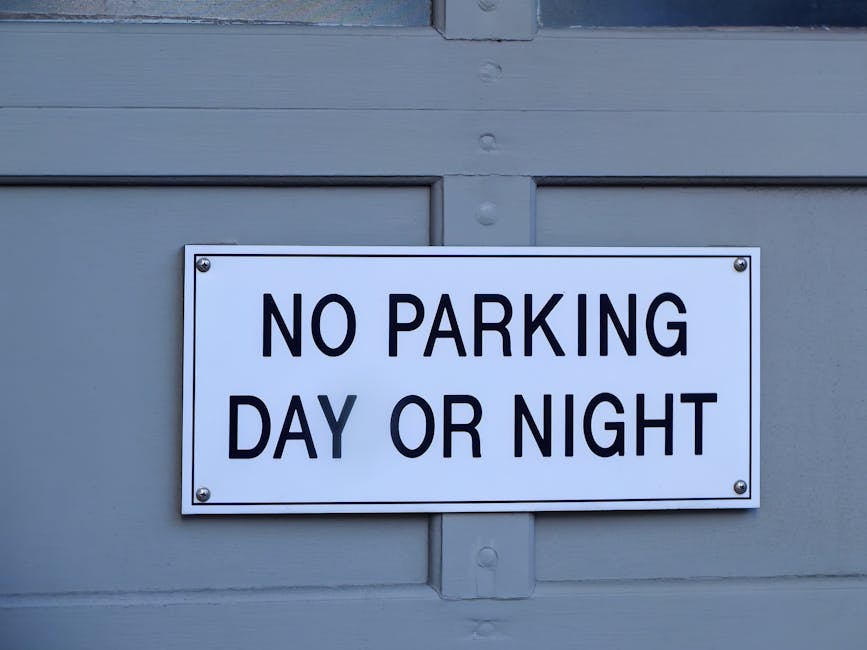
Avoid Fines: St Helier Parking & Loading Rules
Posted on 12/07/2026

If you are planning a move, a delivery, or even a quick furniture drop-off, St Helier parking can turn from a small detail into the thing that ruins the day. A van angled a little too far into the road, a loading bay missed by ten minutes, or a permit assumed rather than checked - and suddenly you are dealing with stress, delays, and avoidable fines. This guide to Avoid Fines: St Helier Parking & Loading Rules is here to keep things straightforward, practical, and local. You will find the kind of advice that helps in the real world, not just on paper.
Whether you are moving house, dropping items into storage, or arranging a man with a van in a tight street, a bit of preparation goes a long way. And honestly, in St Helier, it often makes the difference between a smooth job and a very annoying afternoon.
Why Avoid Fines: St Helier Parking & Loading Rules Matters
On a busy moving day, parking is rarely just about convenience. In St Helier, the space you choose can affect access for neighbours, traffic flow, pedestrian safety, and how efficiently your move gets done. That is why parking and loading rules matter so much. If you get them wrong, you may face a penalty, a complaint, or a job that drags on because the vehicle has to be moved and repositioned three times.
There is also a knock-on effect that people often forget. If your van is parked badly, movers may need to carry heavy items further than planned, around corners, or down the street. That means more time, more strain, and more chance of damage. If you have ever tried to wedge a sofa through a narrow entrance while somebody is watching the clock, you will know it is not exactly fun.
Good parking and loading planning also helps you stay calm. It sounds simple, but when the van is where it needs to be, everything else feels easier. The team can work more safely. Your neighbours are less likely to be irritated. And you are less likely to spend the day thinking, "We should have checked that earlier."
For many people, this topic becomes especially important when they are arranging a local move with a man with a van in St Helier or planning a slightly larger relocation where access matters more than they expected. Narrow roads, timed restrictions, and loading windows all become part of the job, whether you like it or not.
How Avoid Fines: St Helier Parking & Loading Rules Works
The basic idea is easy enough: choose a legal place to stop, make sure the vehicle is allowed to wait there, and keep the loading activity within the rules that apply to that street or bay. The details are where people trip up. Some places allow short loading; some allow waiting only at certain times; others are meant for permit holders or specific vehicles. A bay may look free, but that does not automatically mean it is safe to use.
When you are moving or delivering, the first thing to work out is whether you are parking or loading. Those are not always treated the same. A genuine loading stop often requires active loading or unloading, with the vehicle used for that purpose and without unnecessary delay. Leave it unattended for too long, and what started as loading can look suspiciously like parking. That is where many fines begin. A bit unfair, perhaps, but that is how these situations often play out.
In practice, you want to look at four things before the van arrives:
- Location: Is there enough space for the vehicle without blocking traffic or driveways?
- Restriction timing: Is the bay or street limited at certain hours?
- Purpose: Is the stop clearly for loading and unloading, not just waiting?
- Access route: Can the goods be moved quickly and safely from vehicle to property?
That last point is a big one in St Helier. A legal loading space is helpful, but if it is too far from the property, the crew may spend extra time carrying items along pavements, through side turns, or up awkward steps. That can reduce efficiency, increase risk, and sometimes make the difference between staying within a loading window or missing it.
If you are trying to plan routes as well as parking, it is worth reading this guide to narrow lanes and access because local road layout changes the decision-making quite a lot. Likewise, if you need a van that can manage a quicker turnaround, a suitable removal van in St Helier can make loading and unloading far more controlled.
Key Benefits and Practical Advantages
There are obvious benefits to avoiding fines, of course. Nobody wants an avoidable ticket. But the less obvious benefits are often more valuable in the long run.
- Less stress on the day: You are not improvising under pressure.
- Faster loading: The vehicle is positioned closer to the entry point.
- Lower risk of damage: Fewer long carries mean fewer knocks to walls, doors, and items.
- Better neighbour relations: No one enjoys a van blocking their drive or belting out beeps for twenty minutes.
- Safer lifting: Shorter carries and clearer access reduce strain.
- Cleaner schedule: Timed moves stay on track more easily.
For many customers, the biggest benefit is really peace of mind. If your parking plan is sorted, you can focus on packing, keys, furniture, and the hundred little tasks that pile up on moving day. That is where preparation pays for itself.
There is also a commercial angle. If you are comparing transport options, clear parking and loading planning can help you get a more accurate sense of cost. A mover who knows the access issue upfront can quote more realistically. That is one reason people often use local man and van quote guidance before booking anything.
Who This Is For and When It Makes Sense
This topic is not just for large removals. It matters whenever a vehicle needs to stop close to a property or business premises in a controlled way.
You will find it especially useful if you are:
- moving home within St Helier
- arranging a flat move with limited street access
- moving office furniture or stock
- delivering bulky items like sofas, beds, fridges, or pianos
- working with a short loading window
- using same-day transport and need a fast, tidy turnaround
- supporting an older relative or tenant who cannot manage a long carry
It also makes sense for anyone moving near a hospital, a station, a school, or a busy junction where stopping casually is not really an option. If that sounds familiar, timing and access near St Helier Hospital is worth a look. The same goes for people doing quick-turn jobs. A good same-day removal in St Helier lives or dies by access planning.
Truth be told, if your move involves any sort of van-sized vehicle, it is worth thinking about parking earlier than most people do. Not later. Earlier. Much earlier.
Step-by-Step Guidance
Here is a practical way to approach St Helier parking and loading so you reduce the risk of problems.
- Check the property access first. Look at the street, the frontage, the pavement width, and whether a vehicle can stop without causing a mess of the road.
- Identify likely loading points. Think about the closest workable space rather than the most obvious one. Sometimes the "nearest" space is not the one that makes the job easiest.
- Decide whether loading or parking rules apply. This is where the wording matters. A short goods collection is not the same thing as leaving a van there all day.
- Allow extra buffer time. If a window is tight, build in spare minutes. Five minutes can disappear fast when keys are late or a mattress gets stuck on a stair landing.
- Prepare items before the van arrives. Boxed, labelled, and ready-to-go goods mean less standing around. If you need help with that side of things, packing and boxes in St Helier can support the process.
- Keep the route clear. Move bins, loose furniture, scooters, and anything else that might block the carry path.
- Use the shortest safe carry. Avoid awkward shuttling back and forth if you can. It is slower and more tiring than people expect.
- Stay with the vehicle when needed. If the loading stop depends on active use, do not wander off and leave it looking abandoned.
- Document what matters. A photo of the bay, the street sign, or the vehicle position can be useful if there is later confusion. Not glamorous, but practical.
If the route itself is the issue, planning can help even more than parking alone. A useful local reference is parking and access tips for a move from SM4, which shows how much small route choices can matter. If your items are going into storage rather than straight into a new property, storage in St Helier can be part of a more flexible plan.
Expert Tips for Better Results
Here are the small decisions that make a surprisingly big difference.
1. Aim for clear communication, not assumptions. If you are using a removal company or a self-managed van, talk through the access point, timing, and exact loading location before the day arrives. Do not assume the driver will "just know". They usually do not, and that is fair enough.
2. Match the vehicle to the street. In tighter roads, a smaller vehicle may be more efficient than trying to force a larger one into a spot that barely works. That is why people often compare options such as man and van services in St Helier, removal services in St Helier, and full removals in St Helier depending on the job size.
3. Use the lowest-friction packing strategy. When items are well packed, labelled, and grouped, loading speeds up. That shortens the time the vehicle needs to stop, which is useful in timed bays or sensitive streets. A helpful companion read is targeted packing tips for movers.
4. Keep awkward items in mind early. A piano, freezer, or oversized sofa changes the whole access plan. Those items take longer, require more care, and often need a wider loading window. If you are dealing with something heavy or delicate, do not leave it to chance. For example, DIY piano moving is one of those jobs that looks simpler in your head than it is in the hallway.
5. Think about the weather and the hour. Early morning kerb space feels very different from late afternoon traffic. A dry, bright start can make access easier. By evening, the same street may be busier, noisier, and less forgiving.
6. Safety is part of compliance. Good parking is not only about avoiding a ticket. It also helps with safe lifting. That is especially relevant if you are handling large items and trying to keep backs, fingers, and doorframes intact. You may find insurance and safety guidance reassuring if you are weighing up risk and responsibility.
Expert summary: The best St Helier parking plan is usually the one that reduces both legal risk and physical effort. The ideal spot is not just "legal enough" - it is the one that keeps loading short, clear, and calm.

Common Mistakes to Avoid
Most fines and delays come from predictable mistakes. Once you know them, they are much easier to sidestep.
- Assuming loading means unlimited stopping. It usually does not.
- Leaving the vehicle unattended for too long. This can cause trouble fast.
- Using a space that looks free but is restricted. A parking bay can be deceptive. Very deceptive, actually.
- Underestimating carry distance. A "quick stop" can turn into a long haul if access is poor.
- Forgetting about time spent waiting for keys or help. Little delays eat into loading windows.
- Not checking for narrow corners, steps, or tight stairwells. These are the moments where jobs slow down.
- Not planning for bulky waste. Old furniture left on the pavement can create separate issues.
People also forget that moving home is not just about the van. It is about the route inside the property too. Tight stairs, narrow hallways, and upstairs flats all change the pace of a job. If that sounds like your place, solutions for moving down tight stairs in St Helier may save you a headache.
Tools, Resources and Recommendations
You do not need a van full of gadgets to manage parking and loading well, but a few simple tools help a lot.
- Phone camera: Useful for documenting the bay, the access point, and any sign that may matter later.
- Printed move plan: A basic sheet with address, timings, item order, and contact numbers keeps everyone aligned.
- Labels and coloured tape: Handy for separating items that must go first, last, or into storage.
- Blanket and strap kit: Better protection during short carries and van loading.
- Clipboard or notes app: Good for ticking off tasks as the move progresses.
On the planning side, some readers like to pair parking preparation with decluttering first. That is smart. Less stuff means fewer trips and less time parked. A practical place to start is decluttering techniques for movers.
If your move includes storage, heavy furniture, or specialist items, you may also want to review service options before the moving date. That can include house removals in St Helier, flat removals in St Helier, piano removals in St Helier, or even office removals in St Helier if the job is commercial.
Law, Compliance, Standards, or Best Practice
Parking and loading rules are not something to improvise around. In the UK, the general expectation is that you comply with local restrictions, pay attention to signs and markings, and avoid blocking roads, junctions, crossings, dropped kerbs, or driveways. Local enforcement can vary by street and by timing, so it is always better to check the exact location rather than rely on a neighbour's memory or a quick guess. To be fair, memories are often wrong on this sort of thing.
For moving jobs, best practice usually means:
- using only lawful stopping points
- keeping loading activity genuinely tied to loading or unloading
- minimising obstruction to pedestrians and traffic
- allowing enough time to work safely without rushing
- respecting permit conditions or time windows where they apply
When a permit or loading arrangement is part of the move, it is wise to confirm the details well before the day. If the move is likely to need local permissions, this supporting article on Sutton Council permits for St Helier removals can help you understand the kind of planning that often sits behind a successful job.
Best practice also includes health and safety. Safe lifting, clear walkways, and sensible vehicle positioning all matter. If you are running a move as a business or hiring professionals, a clear health and safety policy shows that the work is being taken seriously, not just rushed through. And if waste is involved, remember that bulky items may need separate handling; bulky waste solutions in St Helier are worth considering rather than leaving items where they may cause a problem.
Options, Methods, or Comparison Table
Different parking and loading approaches suit different move types. The right choice depends on the street, the item size, and how long the vehicle needs to stop.
| Method | Best for | Pros | Watch out for |
|---|---|---|---|
| Short legal loading stop | Small to medium deliveries, quick flat moves | Fast, efficient, low disruption | Time pressure if items are not ready |
| Permit-based parking or loading | Longer domestic or office moves | More control over access | Needs advance planning and correct conditions |
| Smaller vehicle with repeated runs | Tight streets, limited stopping space | Easier to position, more flexible | Can take longer overall |
| Off-street staging area | Properties with driveways or private access | Very convenient and usually calmer | Not always available in St Helier |
For many local jobs, a smaller vehicle plus a well-timed loading plan is the sweet spot. For others, especially if you have bulky furniture, a more structured removals setup is safer. If you are still deciding, the comparison between man with a van and more complete removal companies in St Helier often comes down to access, volume, and how much hands-on help you need.
Case Study or Real-World Example
A common St Helier scenario goes like this. A family books a local move for a Friday morning. The property is on a street with limited stopping space, the sofa is heavy, and the kitchen boxes are ready, but the hallway is tight. They assume the van can wait just outside for an hour while everything gets carried out. In reality, the first available stopping point is a little further along the road, and the loading window is tighter than expected.
What made the difference? Preparation.
They labelled the priority boxes in advance, cleared the front path, and moved the bulky items nearest the door the night before. The driver and helper had a route straight from property to vehicle. No wandering. No searching for tape. No one trying to decide which box belonged in which room while standing in the street with a kettle still in hand. It was not perfect - someone still misplaced the bin key for about ten minutes - but the move stayed on schedule and the parking position did not become a problem.
The lesson is simple: when access is tight, every small improvement matters. Better packing. Better route planning. Better timing. It all adds up. If you want to reduce the usual moving-day friction, stress-free moving techniques are a sensible companion to this guide.
Practical Checklist
Use this checklist before the vehicle arrives:
- Confirm the exact address and access point
- Check whether the stopping place is legal for loading
- Review any bay markings, time restrictions, or permit conditions
- Measure or estimate the carry distance from vehicle to door
- Prepare heavy and fragile items first
- Keep hallways, stairs, and entrances clear
- Set aside labels, tape, blankets, and straps
- Notify neighbours if the move may affect shared access
- Plan for bulky waste or items going to storage
- Build in a time buffer for delays
- Keep your phone charged and reachable
- Double-check the collection order before loading starts
If you want to make the whole day feel less chaotic, it helps to think of this as a chain. Break one link and the rest can wobble. Keep the links strong and the move behaves itself a bit more. That is about as technical as it needs to be.
Conclusion
St Helier parking and loading rules are not glamorous, but they are a core part of a successful move. The people who avoid fines usually do one thing well: they plan the stopping point before the van arrives. They think about access, time, item size, and the actual route from property to vehicle. That simple shift saves money, reduces stress, and makes the day feel manageable.
If you are moving soon, take this seriously enough to prepare, but not so seriously that you freeze up. A clear plan, a sensible vehicle choice, and a little local awareness are usually enough to keep things on track. And once the heavy lifting starts, you will be glad you sorted the awkward parking question earlier rather than later.
Get a free quote today and see how much you can save.
For a smoother move, a calmer head, and fewer surprises at the kerb, the best time to sort parking rules is before anyone starts carrying the sofa. That really is the quiet trick.