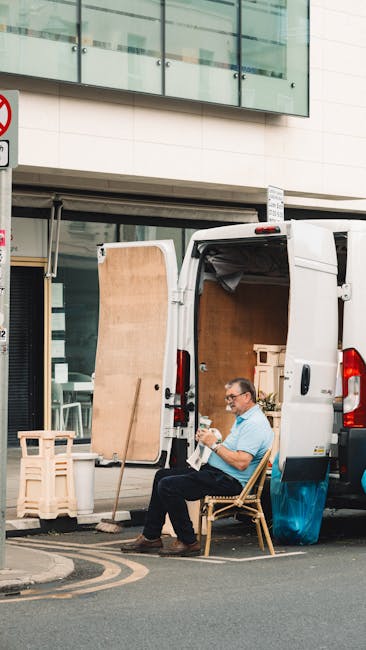
Man with van in St Helier

Our man with van in St Helier service is built for practical local moves, one-off collections and careful transport of items that need more than a car boot but less than a full removals crew. We help with domestic and light commercial jobs, moving furniture, boxed goods, appliances and mixed loads with a straightforward approach. If you need a flexible vehicle and loading support in the parish, this service keeps the task organised without making it complicated.
We handle journeys that involve flats, houses, storage units, offices and retail stock, adapting the load plan to what is actually being moved. Some customers only need a single bulky item shifted safely; others need several rooms cleared or a small workspace moved in stages. The service is designed around practical transport, sensible lifting and careful placement, so items are moved with attention to both the destination and the route in between.
For a clear quotation, start by noting what needs moving, where it is going and any access details that could affect loading or parking. A short list is usually enough to begin, but photographs can help when the load includes awkward furniture, fragile items or stairs. Use the pricing and quotes page if you want to understand how estimates are normally prepared, and keep your own notes handy so the discussion stays focused on the actual work.
What the service covers
Our work is centred on transport that is sized to the job, with help available for lifting, carrying and arranging items safely in the van. That can suit customers who are changing address, collecting purchased furniture, sending goods to storage or moving equipment between business premises. We also work on jobs that need a careful blend of handling and route planning, where the order of loading matters as much as the journey itself.
When people ask for a man and van service, they are often looking for something that stays flexible. That flexibility matters on streets where access is tight, when there are time windows to respect or when the load is too varied for a simple courier trip. The service can be tailored to the scale of the task, with room for a few key items or a fuller set of belongings, provided the move is described accurately.
Useful supporting pages can help you compare the broader service families before you enquire. For example, the removal services page gives a wider view of moving work, while man and van removals is a relevant match for customers who want loading support as part of the journey. If you are moving house, the home moves page is a sensible place to read more about residential relocation options.
House moves, flat moves and local transport

Not every move needs a large removals operation. A van-based service can be a better fit for one-bed flats, shared homes, student accommodation, annexes and smaller family moves, especially when the volume of furniture is moderate. It is also useful where items are spread between addresses, because collections can be combined into a single run rather than handled separately. That makes the job more manageable and can reduce repetition.
We can also help with individual household items when a full move is unnecessary. Sofas, beds, wardrobes, white goods, boxed household contents and garden items may all be suitable, provided the load is safe to secure and the access is explained in advance. If your move is closer to a standard domestic relocation, the house removals page and the closely related house movers page may help you decide which type of service fits best.
Preparation does not need to be elaborate, but a little structure helps. A short inventory, clear collection and delivery addresses, any restrictions on parking or lifting, and a note about fragile items are usually enough to shape the plan. If you are comparing different ways to move, the man with a van page gives another route into the same practical service style, while the moving van page is useful when you want to think specifically about transport capacity.
Office, shop and light commercial moves
Business items carried with care
Our van service is also suitable for smaller business moves where the workload is organised but not large enough to justify a major relocation team. That can include desks, chairs, archive boxes, point-of-sale items, display stock, samples, filing cabinets and packaged equipment. The aim is to keep the move tidy and efficient, with sensible loading that protects both the items and the business schedule.
When a company needs a practical transfer between premises, we can support moves that happen in stages or outside standard trading hours, subject to the details supplied at enquiry stage. The useful question is not only what needs moving, but how it should be handled: whether items need grouping by room, whether equipment must stay upright, and whether the destination has lift access or only stairs. For broader business relocation planning, the office removals page and the office relocation services page are both relevant starting points.
Smaller commercial customers often want a service that is straightforward rather than over-specified. We can move goods between offices, shops, workshops and storage spaces, but the best estimate depends on the actual number of items, their size and any handling limits. If you need to pair transport with collection of larger fixtures or stock, the commercial moves page offers a broader category, while the movers page provides a general view of relocation support across job types.
Packing, protection and loading choices

Good loading is part of a careful move. Items should be stacked in a way that keeps weight balanced and reduces movement in transit, with heavier pieces placed where they can support the load safely. Soft furnishings, boxes and wrapped furniture can often be combined if the sequence is planned well. Where needed, packing and unpacking support may be added to the move, especially when customers want a more complete handover of the job.
The packing and unpacking services page is useful if you want to think beyond transport and include preparation of the load itself. Even without a full packing job, simple steps such as draining appliances, removing loose shelves, securing drawers and protecting glass can make the move smoother. These tasks are not always complex, but they do affect how safely the items can be loaded, stacked and unloaded at the other end.
A few sensible checks can help before the van arrives. Make sure the route from room to vehicle is as clear as possible, keep small parts together, and tell us if anything is especially heavy, awkward or delicate. The same applies if items need dismantling before travel. Where the load contains mixed household contents, clarity on the order of loading is just as important as the list itself, because it helps avoid unnecessary handling once the vehicle is packed.
Single items, furniture collection and reuse
Not every booking is a full move. Some customers only need a sofa collected, a dining table delivered, a bed shifted between addresses or a bulky item removed from a property for reuse elsewhere. This type of job suits a van-based service because it can respond to a single object as easily as to a roomful of items. It is also helpful when purchases have been arranged privately and need secure transport to a home or workplace.
If you are arranging a pickup, the main things to clarify are the item dimensions, access at each end and whether help is needed at collection or delivery. That is especially true for wardrobes, exercise equipment, white goods and assembled furniture that cannot simply be lifted without planning. For customers who are comparing different collection and transport options, the furniture pick-up page is a direct match, and the removal companies page may help if you are assessing broader service types.
Single-item work can still benefit from professional handling because the difficult part is often not the distance, but the awkward shape, narrow stairwell or tight corner at one end of the job. When the item is valuable or fragile, careful wrapping and slow handling matter more than speed. If you are ready to ask for a figure, gather the item list first and then request a quotation in plain terms so the response reflects the real work involved.
Pricing factors and quotation details
What shapes the estimate
Prices for a van-based move usually depend on the volume of items, the distance travelled, the time needed for loading and unloading, and any access complications that make the work slower. Stairs, long carries, difficult parking, dismantling, reassembly and waiting time can all influence the scope of the job. A clear description of the move makes it easier to keep the quotation aligned with the actual task rather than with a vague average.
It helps to think about the move in practical steps: what is going, where it is going, what needs to stay protected and whether there are any deadlines or access limits. If you are comparing the move with a self-managed van hire option, the moving truck and removal van pages can help you understand the kind of vehicle-based service available. Where you need a closer look at lower-cost options or smaller-scale transport, the removals van page is also relevant.
We recommend giving one concise message that covers the job in full rather than several partial updates. That keeps the quotation process efficient and reduces the chance of overlooking an important detail. A short summary, a note on access, and any fragile or oversized items are usually enough to start. Accurate information at the beginning is the best way to make the estimate meaningful, whether the move is local, multi-stop or linked to storage.
Moving with storage, access and timing in mind

Many van jobs involve more than a simple A-to-B trip. Items may need to be collected from storage, moved temporarily between addresses or taken to a third location after an initial drop-off. These jobs are still well suited to a flexible service, provided the route and sequence are explained clearly. They can also involve careful timing when keys, building access or delivery slots need to be respected.
Storage moves are often easiest when the load is grouped sensibly before it leaves the first address. Boxes and furniture can be arranged so that the most urgent items are easy to reach at the destination, while less time-sensitive belongings remain secure during transit. If your move is a mix of transport and temporary holding, the broader removal truck hire and removals pages may help you compare capacity and service style before asking for a quote.
Timing is also important where access is shared or restricted. Lifts may have booking slots, loading bays may require prior notice and some buildings may have rules on noise or moving hours. Telling us about these points in advance helps shape the schedule more accurately. It also helps us plan the order in which items should be loaded and unloaded, which matters when the job includes furniture, boxes and equipment together.
How to prepare a useful enquiry
A short, well-structured enquiry is usually enough to begin. Include the collection and delivery postcodes, the main items to be moved, whether help is needed with lifting, and any access issues such as stairs, restricted parking or narrow entrances. If the job involves several rooms or multiple stops, list them in the order you want the move to happen. That gives a more reliable basis for planning the route and the time needed.
Photographs can be helpful when items are awkward, unusually heavy or difficult to describe in words. They are especially useful for sofa beds, wardrobes, appliances and mixed household contents, because they show the real shape of the load rather than a rough estimate. If you want to review related service information before you make contact, the man with van removal page offers another relevant route into the same type of work, and the removals near me page is a broad starting point for comparing local moving options.
Once you have those details together, ask for a quotation in a single message and keep it focused on the actual job. That approach is especially useful when the move includes fragile items, dismantling or several pick-ups, because it helps the estimate reflect the true level of handling. If you are ready to get started, make your list and send it through for a clear response.
About St Helier
St Helier is the capital parish of Jersey and its largest urban centre, set on the island’s south coast around St Aubin’s Bay. The town developed around the harbour and the commercial core near the waterfront, where streets, shops and civic buildings create a dense centre that contrasts with the calmer residential edges. Its name comes from the hermit Saint Helier, and the parish church remains one of the most recognisable historic landmarks in the area. The present town also reflects centuries of change, with Georgian terraces, Victorian additions and later commercial developments sitting alongside older lanes and coastal viewpoints. Liberation Square, the Cenotaph and the Island Millennium commemorations form part of the civic landscape, while the harbour area connects the town to ferry traffic and the island’s wider maritime life. Inland, the town grades into neighbourhoods and business districts that serve daily life across Jersey, from markets and education to administration and retail. Open spaces such as Howard Davis Park and the promenade along the bay give the centre room to breathe, while the compact street pattern keeps the town walkable and active. St Helier’s role as the island’s administrative and commercial heart means it combines history, commerce and coastal geography in a way that is distinctive even within Jersey’s small scale.
Local move types and vehicle choice
Choosing the right kind of van service is mostly about matching the vehicle and handling to the size of the load. Some jobs are light but awkward, such as a few large pieces of furniture. Others are fuller loads of boxes and household contents that still fit better in a flexible van-based move than in a full-scale lorry operation. The right choice depends on what needs protecting, how far it has to travel and how it will be arranged inside the vehicle.
Where a route includes multiple collections or mixed delivery points, the loading order becomes important. The first items off the van should not be trapped behind the last things loaded, and fragile pieces should be separated from hard edges wherever possible. If you are comparing service terms or thinking about the scope of work, the removal company page gives a broad commercial overview, while the house removalists page is more specific to domestic moving support.
For customers who want a practical local move without unnecessary complexity, the benefit of this kind of service is that it can be scaled to the job rather than forcing the job to fit the vehicle. That makes it suitable for customers who are moving a few rooms, clearing selected items, or combining household and business belongings in a single journey. If your move is straightforward, a clear list and sensible access details are often all that is needed to plan it well.
Get your quotation

If you need a dependable man with van in St Helier for a local move, furniture collection, business transfer or mixed load, the next step is simple: send the details and ask for a quotation. A short outline of the items, the addresses involved and any access issues will help us respond with a figure that reflects the job properly. For related information on service terms and expectations, you may also wish to look at the terms and conditions page.
We aim to keep the process practical from the start, with enough detail to plan the work but without making the enquiry process feel heavy. If you are comparing options, use the pages on removals, transport and pricing to see which type of service best matches your load. Then keep your final request focused on the essentials: what is moving, where it is going and when you need it done.
Request a quotation today and let us know the size of the load, the collection point and the delivery point so we can help you move it with care.