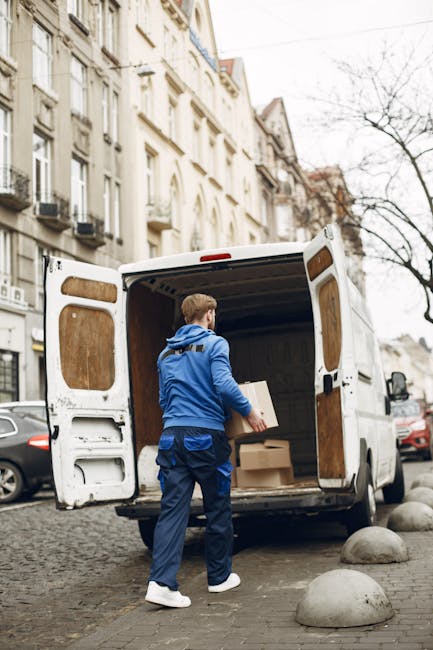
St Helier Man with Van Tight Street Removals: A Practical Guide to Moving in Hard-to-Reach Streets
If you are trying to arrange St Helier man with van tight street removals, you already know the challenge: narrow roads, awkward parking, short loading windows, and the very real possibility that a standard removal lorry just will not fit comfortably. That is where a smaller, well-planned move can make all the difference. Done properly, it is calm, efficient, and a lot less stressful than forcing the wrong vehicle into the wrong street. Truth be told, a good tight-street move is often more about planning than muscle.
This guide explains how it works, what to expect, who it suits, and how to avoid the usual headaches. You will also find practical tips for loading, access, parking, timing, and choosing the right service level for a move in and around St Helier.
Why St Helier man with van tight street removals Matters
St Helier has the sort of streets that make van parking feel like a small tactical operation. Some roads are simply not designed for large vehicles, and in a residential move that can change everything. If you arrive with the wrong size van, the move becomes slower, louder, and more expensive. You end up carrying items further than planned, blocking access for neighbours, and losing precious time trying to reverse or turn around safely.
That is why a man with a van service tailored to tight streets matters. It is not just a smaller vehicle. It is the combination of vehicle choice, route awareness, sensible packing, and a crew that understands how to work efficiently in confined spaces. In a place where access can be limited by parked cars, one-way streets, or narrow corners, that knowledge saves effort and avoids stress.
There is also a practical human side to it. If you are moving from a flat above a shop, a terraced house with a short frontage, or a property where the nearest parking spot is around the corner, a compact moving plan tends to be kinder to your furniture and your nerves. Nobody enjoys the sound of a wardrobe scraping through a doorway that is already a tight squeeze. Been there, regretted that.
For many people, the biggest win is simple: a move that feels manageable. A focused service like man with van support can be a smarter fit than a large-scale removal setup when the street itself is part of the problem.
How St Helier man with van tight street removals Works
The process usually starts with the access details, not the boxes. That is the right way round. A good operator will want to know whether there is off-street parking, how wide the road is, whether there are steps at the entrance, how far the carry is, and whether there are time restrictions. Those small details shape the whole move.
Once the access picture is clear, the service can be planned around the vehicle size and the loading order. In tight streets, that often means using a smaller van or a more agile moving vehicle rather than a larger truck. Items are packed in a way that makes sense for repeated short trips, narrow hallways, and quicker hand-loading when parking is limited.
The team may also split the job into stages: first the bulky items, then the cartons and loose belongings, and finally the last bits that always seem to appear at the end. The whole point is to keep the van moving without creating congestion outside the property. Sometimes the move is completed in one run; sometimes it is smarter to do two smaller trips. There is no prize for cramming everything in badly.
If you want to see how this style of move sits within broader moving services, it can help to compare it with removals or a more general man and van removals approach. Tight-street work usually rewards flexibility, not overcomplication.
Key Benefits and Practical Advantages
There are several reasons people choose this type of move, and most of them come down to practicality.
- Better access in narrow roads: Smaller vans are easier to position and less likely to block the street.
- Less walking distance: A well-placed van reduces the carry from door to vehicle, which saves time and effort.
- Lower disruption: Neighbours, pedestrians, and passing traffic are less inconvenienced when the move is controlled and compact.
- Faster loading in tricky spots: Experienced movers know how to keep the flow going, even if parking is imperfect.
- More suitable for flats and smaller homes: Not every move needs a full-size truck.
- Smarter use of time: You spend less time wrestling with access and more time getting settled.
There is also a quiet advantage people do not always mention. A smaller, more agile setup can often reduce the risk of accidental damage. When furniture does not have to travel through every available gap in a panic, it tends to arrive in better shape. That matters if you care about the kitchen table your family has used for years, or the awkward lamp that somehow became sentimental over time.
If you are comparing options, it may also be worth looking at the broader service pages for man and van or man with a van support, especially if your move is smaller or you only need transport and loading help rather than a full removal team.
Who This Is For and When It Makes Sense
This kind of service suits people whose move is shaped by access rather than volume. That includes:
- flat moves on narrow streets
- terraced houses with limited frontage
- small office moves where parking is restricted
- single-room or partial house moves
- furniture collection and delivery where the road is tight
- students, renters, and first-time movers who do not have a huge load
It also makes sense if you are moving out of a property where the timetable is short. Maybe you need to vacate by the afternoon. Maybe the lift is unreliable, or the building management has fixed loading times. In those situations, a nimble local move is often the least painful route.
Let's face it, not every relocation deserves a large convoy. If you have a sofa, a bed, a few white goods, and a collection of labelled boxes, a compact moving plan is often the sweet spot. If you are relocating a whole family home, though, you may want something more substantial. The right tool for the job, and all that.
For larger domestic jobs, it can be useful to compare with home moves or house removals so you can judge whether your move is really a compact access job or a bigger relocation in disguise.
Step-by-Step Guidance
If you want a smooth move in a tight St Helier street, follow a process. Skipping steps is how people end up carrying a mattress down the road in the rain, which nobody needs.
- Assess access properly. Check the width of the road, parking options, turning space, steps, and doorway clearance. If possible, do a quick walk-through at the same time of day your move will happen.
- List your items by size and fragility. Separate heavy furniture, fragile boxes, and awkward items such as mirrors, bikes, and dismantled beds.
- Decide what needs dismantling. Wardrobes, bed frames, and some tables are easier and safer when taken apart before loading.
- Pack by carry order, not by room alone. Put the items you need first near the exit point. The aim is speed and clarity, not chaos.
- Reserve a sensible parking position. If formal parking is unavailable, think carefully about where the van can stop without causing obstruction.
- Plan the load sequence. Bulky items go in first, then sturdy boxes, then fragile items, and finally the awkward little things that would otherwise get lost.
- Keep a last-minute essentials bag. Phone chargers, keys, documents, tea bags, medication, and toilet paper. Yes, toilet paper. You will thank yourself later.
- Confirm arrival and contact details. Tight streets often require quick communication if the van must be moved or parking changes.
A small note from experience: the move goes best when someone is assigned to the front door and someone else keeps an eye on the van. It sounds obvious, but in practice, it keeps the whole thing flowing. One person answers questions, the other keeps the path clear. Simple. Effective.
Expert Tips for Better Results
Small moves in awkward streets benefit from small advantages. Here are the things that tend to make the biggest difference.
- Move early if you can. Mornings are often easier for parking and usually mean less street clutter.
- Use matching box sizes where possible. Stackable boxes save space and make the van load more stable.
- Wrap furniture properly. Blankets, shrink wrap, and corner protection matter more in a narrow hallway than most people realise.
- Keep pathways clear. A hallway full of loose shoes, plants, and hangers slows everything down.
- Label fragile items plainly. Not in a dramatic way, just clearly enough that nobody has to guess.
- Tell the mover about weak points. Loose legs, wobbly handles, glass panels, and old drawers that slide open should all be flagged early.
If you are working with a local team, it is worth asking whether they also offer packing help. For some moves, a few hours of support is enough to transform the day. See packing and unpacking services if you want extra help getting the job organised before the van even arrives.
One more thing. Do not underestimate the value of a clean loading route. A wet mat, a loose cable, or a doorstep plant pot may sound minor, but in a tight street move those little obstacles add up fast. They really do.
Common Mistakes to Avoid
Most tight-street moving problems are predictable. The good news is that predictable problems are usually avoidable.
- Booking a van that is too large: Bigger is not always better when the road is narrow.
- Not measuring furniture: A sofa that fits the van may still not fit through the front door without adjustment.
- Ignoring parking reality: If the closest legal space is several properties away, factor that in from the start.
- Leaving packing to the last minute: Loose packing causes delays and makes fragile items more vulnerable.
- Forgetting building rules: Flats, managed blocks, and offices may have loading restrictions or access procedures.
- Assuming everything will fit in one trip: Sometimes it will. Sometimes it will not. Plan for either.
A common one is the "we'll just wing it" approach. That can work for many things in life, but not always for moving a wardrobe down a narrow St Helier street while a delivery van waits behind you. It gets a bit tense, fast.
Tools, Resources and Recommendations
You do not need fancy equipment for a successful move, but a few practical tools make life easier.
- Furniture blankets: good for protecting corners and polished surfaces.
- Ratchet straps or load straps: useful for stabilising heavier items in the van.
- Sturdy boxes in similar sizes: easier to stack and safer to carry.
- Marker pens and labels: essential if you do not want to open six boxes to find the kettle.
- Tape, scissors, and a basic toolkit: handy for dismantling and reassembly.
- Gloves and sensible footwear: especially useful on wet pavements or when carrying heavier items.
If you want a more complete service, it can help to look at removal services for a broader overview of the support available. For some customers, the right answer is a straightforward van hire. For others, a more complete moving setup is worth it.
You may also find it useful to compare removal company options if you are deciding between a small local mover and a larger operation. The point is not to overbuy, but to match the service to the street, the load, and your own tolerance for hassle.
Law, Compliance, Standards, or Best Practice
For most household moves, the main compliance concerns are practical rather than dramatic. You want to avoid obstruction, stay within parking rules, and protect property and people while loading and unloading. If the move affects a shared street, a managed building, or a public pavement, common sense and courtesy go a long way. It is boring advice, maybe, but it matters.
Professional movers should also follow sensible safety practices. That includes using safe lifting techniques, keeping walkways clear, securing the load inside the van, and communicating clearly if access changes. If you are moving heavy items, a service with clear safety procedures is generally a safer choice than improvising with friends and optimism.
Insurance is another basic check. Before any move, it is reasonable to ask what cover is in place for goods in transit and for accidental damage during handling. A trustworthy operator should be able to explain this in plain English. If the answer sounds vague, that is your cue to slow down and ask again.
For extra reassurance, many readers like to review the company's own insurance and safety information, along with the health and safety policy and terms and conditions. That is just sensible due diligence, especially when access is tight and the margin for error is smaller.
Options, Methods, or Comparison Table
Different move types suit different situations. This comparison should help you choose more confidently.
| Option | Best for | Strengths | Limitations |
|---|---|---|---|
| Man with van in tight streets | Small to medium loads, restricted access, short urban moves | Flexible, easier parking, quicker loading in narrow roads | Not ideal for very large households |
| Full house removals | Large family homes, many bulky items, longer relocations | More capacity, more structured for big moves | Can be harder to position in narrow streets |
| Moving van or small removal van | Compact moves, furniture collection, apartment relocations | Good balance of space and manoeuvrability | May still be awkward on very tight roads if overfilled |
| Office move support | Workstations, files, office furniture, local relocations | Useful when timings and access are controlled | Needs careful coordination, especially in shared buildings |
If you are on the fence, a smaller and more agile setup is often the safer starting point for St Helier streets. You can always scale up, but you cannot make a too-large vehicle easier to park by wishing very hard.
For readers weighing broader service types, the pages on moving van, removal van, and movers can be useful comparison points.
Case Study or Real-World Example
Picture a typical St Helier move on a weekday morning. A one-bed flat sits above a small parade of shops. The street is narrow, parked cars line both sides, and the nearest sensible stopping point is just around the corner. There is no giant lorry-friendly space, and the building entrance opens straight onto a cramped pavement. Classic tricky access.
Instead of trying to force a large vehicle into the road, the move is planned with a compact van and a clear load order. The bed frame is dismantled the day before. Boxes are labelled by priority, not just by room. The heaviest items go in first, then the stackable boxes, then the fragile bits. A second person keeps the entrance clear while the van is positioned just long enough to load safely.
The result is not glamorous, but it is efficient. No circling the block ten times. No repeated "can you just move that car?" conversations with neighbours. No panic when the wardrobe reaches the door frame and everyone has to pretend it was always going to fit. The whole move feels orderly, which is really what people want.
That is the sort of situation where local, tight-street experience makes a genuine difference. It turns a potentially messy day into a manageable one. Nothing magical. Just proper planning, and a bit of patience.
Practical Checklist
Use this before move day if you want fewer surprises.
- Measure large furniture and key doorways
- Check road width and likely parking space
- Confirm whether there are steps, lifts, or long carries
- Decide which items need dismantling
- Pack fragile items separately and label them clearly
- Prepare a first-night essentials bag
- Keep hallways and entrances clear
- Ask about insurance and safety procedures
- Review payment, timing, and cancellation terms
- Leave a little buffer in your schedule, just in case
That last one matters more than people think. A tight street move rarely runs better because it is rushed. It runs better because it is calm enough to stay organised.
Get a free quote today and see how much you can save.
Conclusion
St Helier man with van tight street removals is about choosing a move that fits the street as well as the load. When access is limited, a smaller, better-planned service can save time, reduce pressure, and protect your belongings from avoidable knocks and scrapes. The key is to think practically: measure, label, plan the parking, and choose a setup that can handle narrow roads without drama.
If you are moving from a cramped flat, a terraced home, or a building with awkward access, do not assume a bigger vehicle will make life easier. Often it does the opposite. A good compact move is quiet, tidy, and surprisingly efficient. And when it is done well, you can breathe out, put the kettle on, and feel that lovely little relief of things finally being in the right place.
For more about the people behind the service, you can also review the about us page, or if you are ready to discuss your move, head to the contact us page.
Frequently Asked Questions
What does St Helier man with van tight street removals mean?
It refers to moving services designed for narrow, awkward, or access-restricted streets in St Helier, usually using a smaller van and a practical loading plan.
Is a man with a van better than a large removal lorry for tight streets?
Often, yes. A smaller van is usually easier to park, load, and manoeuvre in narrow roads, especially where turning space is limited.
How do I know if my move is suitable for a tight-street van service?
If parking is limited, your street is narrow, or your property has a short frontage or difficult access, a compact van-based move is often a good fit.
Can a tight street move still handle bulky furniture?
Yes, in many cases. Beds, sofas, wardrobes, and white goods can often be moved if they are measured properly and, where needed, dismantled beforehand.
Do I need to be present during the move?
It is usually best if someone is available to answer access questions, confirm item locations, and make quick decisions if parking or entry changes.
How can I make loading faster on a narrow street?
Keep pathways clear, label boxes, dismantle furniture early, and prepare items near the exit. A clear route makes a bigger difference than most people expect.
What should I ask about insurance before booking?
Ask what cover is provided for goods in transit, handling, and accidental damage. It is sensible to get that in plain language before the move.
Is there a difference between man and van, moving van, and removal van services?
Yes, the differences are often in vehicle size, load capacity, and how much labour is included. The right choice depends on your access and how much you need moved.
How much notice should I give for a tight-street removal?
As much as possible. More notice gives you time to assess access, dismantle furniture, and organise parking or building permissions if needed.
Can these services help with office moves too?
Yes, especially if the office is in a building with limited access or restricted parking. Smaller, efficient moves are often well suited to local office relocation.
What if my street has nowhere to park?
Then the move needs to be planned around the nearest workable stopping point. That may mean shorter trips, a smaller vehicle, or a different loading sequence.
Should I choose the cheapest option I can find?
Not always. For tight street removals, experience and access planning are often worth more than a slightly lower price. A cheap move that becomes complicated can cost more in time and stress.
Where can I check pricing and service details?
You can review the pricing and quotes page for guidance on getting a tailored estimate and understanding what is included.