St Helier to Morden Station: Best Pickup Routes
Posted on 18/06/2026
If you are planning a move, a furniture collection, or even a simple van pickup between St Helier and Morden Station, the route choice matters more than people expect. A few wrong turns, a narrow side street, or a badly timed arrival can easily turn a straightforward job into a slightly fraught afternoon. The good news? With the right local knowledge, St Helier to Morden Station: Best Pickup Routes can be planned in a way that saves time, protects belongings, and makes loading far less stressful.
This guide breaks down the most practical pickup route considerations, what to watch for around access and parking, how to choose the best collection point, and what to do if you are moving anything bulky, fragile, or time-sensitive. If you are juggling boxes, a sofa, a freezer, or a tight same-day schedule, this is for you. Truth be told, a calm pickup is usually the result of good planning, not luck.

Why St Helier to Morden Station: Best Pickup Routes Matters
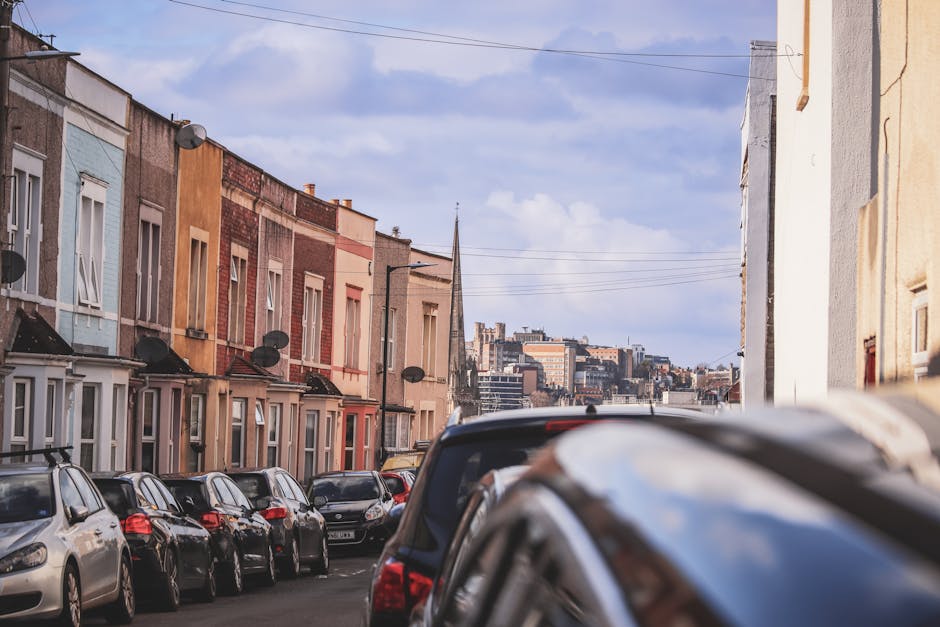
Pickup routes matter because they affect almost everything that follows: timing, vehicle access, loading safety, and the stress level of the people involved. On a route between St Helier and Morden Station, even a short journey can become awkward if the pickup point sits on a busier road, near a junction, or within an estate where turning and stopping are limited.
For home moves and item collections, route planning is not just about the drive itself. It is also about how easily a van can stop, whether the driver can stay close to the entrance, and whether you can carry items without zig-zagging across traffic or long distances. A couple of minutes saved on the route can mean a much easier loading experience at the kerb.
This is especially relevant if you are arranging a man with a van in St Helier, booking removal services in St Helier, or coordinating a quick collection through same-day removals in St Helier. In those situations, the route is part of the service, not an afterthought.
Expert summary: the best pickup route is usually the one that gives the van the easiest approach, the safest stopping point, and the least amount of carrying distance. Simple, yes. But it makes a big difference.
How St Helier to Morden Station: Best Pickup Routes Works
Finding the best route is a mix of geography, access, and timing. You start with the destination and collection point, then work backwards to see where a van can realistically stop. Around St Helier, that often means checking whether a road is wide enough for temporary loading, whether there are parked cars reducing space, and whether the property has any awkward entrance points.
From there, you compare the most direct road options against the most practical ones. The shortest route is not always the best. A slightly longer route with fewer turns, fewer congestion points, and better stopping conditions can be much easier on moving day. To be fair, that is usually the route people wish they had picked once they are already standing beside a wardrobe in the rain.
For some jobs, the route also needs to account for item type. A standard box run is different from moving a sofa, a mattress, or an upright piano. Heavy or bulky loads often need a cleaner approach, less walking distance, and a place where the van can remain close to the property while the team loads. If you are moving furniture, furniture removals in St Helier can be a better fit than a purely point-to-point transport arrangement.
In practical terms, the route works best when you think in this order:
- Confirm the exact pickup address and entrance.
- Check road width, parking pressure, and turning space.
- Choose the nearest safe stopping point, not just the nearest road.
- Plan loading so the heaviest items are closest to the vehicle.
- Allow a little time buffer for traffic, stair carries, or access delays.
Key Benefits and Practical Advantages
Choosing the right pickup route does more than save fuel or minutes. It reduces friction across the whole job. If the van can park sensibly, the crew spends less time shuffling items around, and there is less chance of damage from repeated lifting or awkward corners.
There are a few practical advantages worth calling out:
- Less carrying distance: shorter walks from the property to the van mean less strain and fewer dropped items.
- Lower damage risk: furniture is less likely to be scraped through tight access points or slammed into curbs.
- Smoother timing: the collection can stay on schedule even if the area gets busy later in the day.
- Better safety: fewer improvised stops on busy roads or at awkward corners.
- Less stress: which sounds soft, but honestly, it changes how the day feels.
If your move includes items that need extra care, route planning should go hand in hand with packing and handling. A useful place to start is targeted packing tips for movers, especially if you want to separate essentials from heavier, less urgent items.
And if you are trying to declutter first, which often makes the whole pickup cleaner and faster, take a look at decluttering techniques for movers. Less clutter means fewer trips. Fewer trips means less chance of something going sideways. Simple math, really.
Who This Is For and When It Makes Sense
This topic matters for a wide mix of people. Not just full-house movers. In fact, some of the trickiest pickups are the smaller ones because people assume they will be quick and do not plan them properly.
You will likely benefit from route planning if you are:
- moving from a flat or maisonette near St Helier
- collecting furniture from a seller or storage point near Morden Station
- arranging a student move with tight time windows
- handling same-day removals or urgent collections
- moving bulky items such as beds, sofas, freezers, or pianos
- trying to coordinate access around work, school runs, or parking restrictions
It also makes sense if you are comparing service types. A full removals team is not always necessary, but a focused transport solution can be a much better fit than borrowing a car and hoping for the best. If that is your situation, browse man and van services in St Helier or the broader removals St Helier page to match the job to the right support.
Step-by-Step Guidance
Here is a straightforward way to plan the best pickup route without overcomplicating it.
1) Confirm the exact collection point
Start by pinning down the precise address, entrance, and any access notes. If the pickup is at a block of flats, for example, ask whether there is a rear service entrance, concierge point, lift access, or loading bay. A few extra details here save a lot of guessing later.
2) Check the road approach
Look at the final approach to the property and ask a simple question: can a van stop there safely and without blocking traffic? If the answer is shaky, find an alternative nearby road that gives a more controlled loading point. Around St Helier, this is often the real difference between a calm handover and a rushed one.
3) Decide where the van should wait
The stopping point should be close enough for loading, but also safe. The best stopping point might be slightly away from the front door if the immediate spot is too tight, too busy, or full of parked vehicles. A van parked legally and sensibly is almost always better than one squeezed into a bad gap.
4) Match the route to the item type
Not everything travels the same way. A few boxes can be handled differently from a double mattress or a piano. Heavy items need the route to support their handling, not just their transport. If you are moving larger household pieces, bed and mattress moving advice can help you prepare the load before the van arrives.
5) Build in a little timing buffer
Give yourself margin. A late-running bus, a neighbour's car blocking the curb, or one awkward staircase can all add a few minutes. Pickup schedules are far less stressful when they allow breathing room. Not loads. Just enough.
6) Prepare the items before the vehicle arrives
Wrap fragile items, tape loose parts, label boxes clearly, and keep walkways clear. If you are moving a freezer or chilled item, make sure the preparation is done properly beforehand. The guide on safe freezer storage and handling is a useful companion piece.
7) Confirm the return route if needed
If the pickup is part of a multi-stop move, think about the route back as well. Traffic patterns can change between morning and afternoon, and what looks easy on a map may not feel the same in real life. A quick check before departure avoids that "why did we choose this road?" moment.
Expert Tips for Better Results
Over time, certain habits tend to make pickup routes work better. None of these are dramatic, but they add up.
- Use the easiest loading side: if one side of the road gives better kerb access, use it even if the route is a touch longer.
- Avoid last-minute route changes: changing your plan at the kerb is where mistakes creep in.
- Keep bulky items near the exit: sofas, beds, and tall cabinets should not be buried behind 20 smaller boxes.
- Protect corners and stair edges: it is often the narrow turn, not the main hallway, that causes damage.
- Use proper lifting technique: good body mechanics matter when carrying even short distances. If you want a refresher, see essential solo techniques for heavy lifting.
One small but important point: if the route passes through an estate with narrow access or limited turning room, do not assume a larger van will work just because it is convenient. In some cases, a more compact vehicle is the smarter call. The article on narrow lanes and estate access in St Helier is particularly helpful here.
And yes, it can feel a bit overcautious to plan all this for "just a pickup." But that is often the difference between a neat, tidy job and a messy one. You only get one chance to make the loading easy.
Common Mistakes to Avoid
Most pickup issues are predictable. That is the slightly annoying part. The upside is they are avoidable too.
- Choosing the shortest route instead of the easiest route. Direct is not always practical.
- Ignoring parking pressure. A road that looks fine in the morning may be packed by lunchtime.
- Underestimating item size. A sofa that seems manageable indoors can become awkward once you hit a stairwell or tight corner.
- Not checking access at both ends. The pickup may be easy while the destination is the real problem.
- Leaving packing until the van is outside. That nearly always causes delays.
- Skipping safety planning for heavy items. If you are moving something very heavy or expensive, do not improvise.
One of the biggest mistakes, honestly, is trying to handle everything in one go without checking whether the route actually supports the load. That is where DIY can become a false economy. For larger or delicate items, piano removals in St Helier and why DIY piano moving is a bad idea are worth reading before anyone tries to "just shift it carefully."
Tools, Resources and Recommendations
You do not need a massive toolkit to get this right, but a few basic resources make the process smoother.
- Route planning apps: useful for checking traffic, road closures, and journey time windows.
- Measuring tape: ideal for confirming furniture dimensions and door widths.
- Furniture blankets and straps: helpful for protecting surfaces during a short or awkward carry.
- Labels and marker pens: especially useful for boxes that should come off the van first.
- Parking or access notes: a simple written note for the driver can save a lot of back-and-forth.
If you need boxes, tape, or wrapping materials, the packing and boxes in St Helier page is a sensible place to start. For jobs where temporary holding is needed before or after the move, storage in St Helier may also be worth considering.
For anyone planning a broader household move rather than a single-item pickup, it can help to look at house removals in St Helier or flat removals in St Helier. Those pages give a better sense of how route planning fits into a full move.
And if you want to understand the company side a bit more before booking, the services overview and about us pages are both useful. A quick read can make the booking process feel much less opaque.
Law, Compliance, Standards, or Best Practice
For local pickup work, the key compliance issue is usually safe, lawful vehicle stopping and sensible loading practice. You do not need to become a traffic law expert, but you do need to avoid blocking roads, causing danger, or loading in a way that puts people at risk. In the UK, professional movers are also expected to follow normal health and safety practice, and that is really the backbone of the job.
Best practice usually includes:
- using safe lifting methods
- keeping walkways clear
- securing items properly in transit
- avoiding unsafe roadside loading
- respecting building access rules and shared spaces
If insurance or risk management matters for your move, it is worth reading the company's insurance and safety information and health and safety policy. These pages should help you understand how a professional operation approaches handling, transport, and duty of care.
There are also standard trust pages that matter more than people realise. The terms and conditions, payment and security, and complaints procedure pages can help set expectations clearly before the van even arrives. That clarity is worth its weight in gold, to be fair.
Options, Methods, or Comparison Table
There is no single "best" route in every case. The best choice depends on the item, the access, and how urgent the job is. The table below compares a few common approaches.
| Method | Best For | Strengths | Watch Outs |
|---|---|---|---|
| Shortest direct route | Small, quick collections | Fast on paper, simple to explain | Can be poor for parking, loading, or turning space |
| Access-first route | Bulky furniture and awkward buildings | Better stopping position, safer loading | May add a few minutes to travel time |
| Traffic-buffered route | Time-sensitive jobs and rush-hour pickups | More predictable arrival window | Needs a little extra planning |
| Compact-vehicle approach | Narrow lanes and tight estates | Easier access, less chance of obstruction | May require extra trips for larger loads |
If your job is light and flexible, the shortest route may be perfectly fine. If it involves stairs, traffic, and a fridge that seems to weigh roughly the same as a small piano, the access-first route usually wins. No contest, really.
Case Study or Real-World Example
Here is a realistic example based on the kind of job that comes up often. A customer in St Helier needed a pickup for a sofa, two boxed lamps, and a mattress headed toward Morden Station. At first glance, the fastest route looked simple enough. But the collection point sat on a road with limited waiting space, and the front entrance had a narrow path that would have made carrying the sofa awkward.
Instead of using the most direct approach, the plan shifted to a nearby stopping point with a clearer kerb and less passing traffic. That meant the sofa could be loaded with fewer twists and no rush. The mattress stayed protected, the lamps were packed separately, and the whole job took less energy than expected. There was one small delay because a parked car narrowed the approach, but the buffer in the schedule absorbed it.
What made the difference? Not heroic lifting. Not luck. Just route choice, item order, and a calm approach to access.
That kind of job is also where professional support helps. If the items are bigger or the access is a bit messy, the right vehicle and a sensible loading plan matter. Removal van options in St Helier can be a better fit when you need flexibility without booking a full-scale operation.
Practical Checklist
Use this checklist before pickup day. It is short on purpose.
- Confirm the full pickup address and any access notes
- Check for stairs, lifts, gates, or narrow entrances
- Choose a safe stopping point for the vehicle
- Measure large furniture and awkward items
- Pack fragile items securely and label them clearly
- Separate essentials from non-essentials
- Clear hallways, doorways, and the loading path
- Build in time for parking, traffic, and loading delays
- Use proper lifting technique and ask for help with heavy items
- Confirm payment, booking details, and contact numbers
Quick takeaway: if the route, access, and load order are sorted before the van arrives, the actual pickup usually feels surprisingly straightforward. A bit of prep goes a long way.
Get a free quote today and see how much you can save.
Conclusion
The best pickup routes between St Helier and Morden Station are rarely the most obvious ones. They are the routes that balance access, safety, timing, and the realities of what you are moving. For a small job, that might mean choosing a quieter stop with better kerb access. For a bigger move, it may mean using a vehicle that suits the street rather than forcing a larger van into a tight space.
Once you start thinking this way, moving feels less like a scramble and more like a plan. And that is usually what people want most: fewer surprises, fewer heavy-lift dramas, and a day that ends with everything where it should be. Not glamorous. Just better.
If you are still mapping out the rest of the move, browsing the relevant service pages and preparation guides above can help you make a cleaner decision. A little local knowledge, a little preparation, and the whole thing gets easier. Funny how that works.